

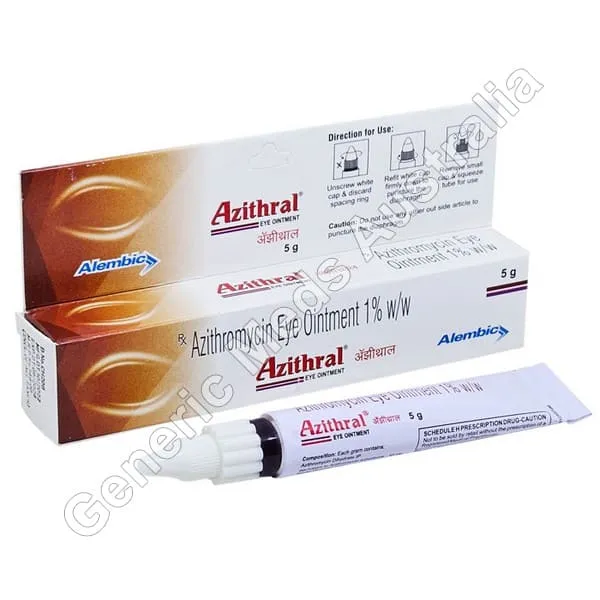


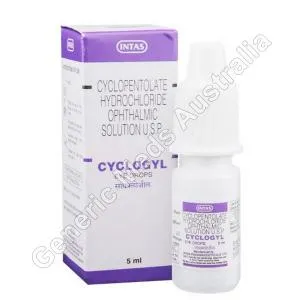

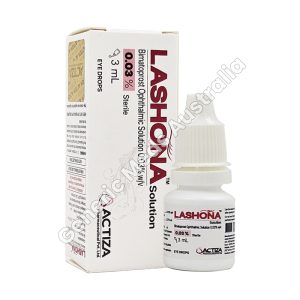



What Is Azithral Eye Ointment?
Azithral Eye Ointment consists of Azithromycin, which is a macrolide antibiotic, and is applied to eyelids and the eye surface in cases of bacterial infections of the eye. It alleviates redness, irritation, discharge, and bacterial growth related to infected eyes. This ointment is produced by Alembic Pharmaceuticals Ltd.
It should be applied to the affected area on the eye directly to have a more localised antibacterial action. The Antibiotic eye ointment is usually used in the treatment of bacterial conjunctivitis, blepharitis, and other external infections that require antibiotic treatment. Correct usage contributes to better comfort, minimises the spread of infection, and ensures a healthier recovery after eye surgery.
Uses of Azithral Eye Ointment
Bacterial infections of the eye
Azithral Eye Ointment is applied to treat bacterial conjunctivitis that leads to redness of the eyes with sticky discharge, eye itching, irritation, and eye discomfort.
Azithral Eye Ointment controls bacterial eyelid inflammation along with crusting, swelling, burning sensation, and irritated eyelids. It is used to treat bacterial infections on the outer eye tissues that need direct antibiotic treatment and infection control.
How Azithral Eye Ointment Works
Bacterial infections of the eye
Azithral Eye Ointment’s action works by preventing bacteria from synthesising proteins that are necessary for growth and survival. Azithromycin has direct action against the bacteria that cause infections in the eye tissues and eyelids. With a reduction in bacterial growth, the symptoms of redness, discharge, swelling, irritation, and burning subside, and as a result, the infected eye heals comfortably, which reduces further bacterial spread.
Signs You May Need Azithral Eye Ointment
- With yellow or white discharge that is sticky and persistent, and redness of the eyes, this may indicate a bacterial infection requiring antibiotic eye treatment.
- Burning sensation, swelling of the eyelids, or formation of crust around eyelashes are possible indicators of bacterial eyelid infection.
- Painful eye irritation and excessive tearing, as well as discomfort when blinking, may require medical evaluation and antibiotic treatment.
- An increased sensitivity to light, redness, and discharge can be possible indicators of worsening symptoms of bacterial eye infection.
- Symptoms of eye infection that persist after a few days should be professionally evaluated to make appropriate recommendations for antibacterial treatment.
Dosage Guidelines and Administration
Dosage Guidelines:
The Azithral Eye Ointment dosage should be used in accordance with the prescribing doctor based on the severity of the infection and the state of the patient. Complete the entire treatment course regardless of improvement in symptoms.
Missed Dose
- Take the dose that was missed when remembered, except when the next application is near.
Overdose
- Overuse could lead to increased temporary irritation, blurred vision, or discomfort that prompts medical consultation if the symptoms persist.
Administration:
- Wash your hands before touching the ointment tube or eye area.
- Lean backwards a bit as you sit comfortably during the application procedure.
- Pull the lower eyelid downward to form a small application pocket appropriately.
- Apply the amount of prescribed Eye infection treatment ointment without direct contact with the eye using the tube tip.
- Keep the eye closed briefly so the medicine spreads evenly.
- Avoid rubbing the eyes immediately after applying the ointment, thus causing irritation.
Benefits of Azithral Eye Ointment
Physical Benefits
- Effectively reduces bacterial growth that causes eye irritation and redness.
- Helps reduce sticky discharge from infected eyes.
- Helps improve bacterial conjunctivitis symptoms.
- Reduces burning sensation during eye infections.
Psychological Benefits
- Enhances self-esteem when engaging in social activities affected by red eyes.
- Reduces stress caused by continuous eye discomfort and irritation.
- Makes patients feel reassured throughout their bacterial eye infection healing phases.
- Promotes emotional relief through gradual improvement in eye appearance.
Side Effects of Azithral Eye Ointment
When administered under medical supervision with proper medical guidance, Azithral Eye Ointment is usually well tolerated. A majority of side effects get better with time as the eyes adapt to the treatment. Consult a doctor in case of severe irritation, swelling, or persistent allergic symptoms despite repeated applications.
- Temporary blurred vision.
- Mild pain inside the eye.
- Eye redness during the initial treatment period.
- Mild itching around the eyelids or eyelashes.
- Increased tears immediately after use.
- Temporarily sensitive to bright light.
Precautions Before Using Azithral Eye Ointment
- Your doctor must be informed about any antibiotic allergies you have had in the past before using antibiotic eye ointments.
- Do not allow the applicator tip to come into contact with the infected eye surfaces when applying.
- You should not share eye ointment tubes with other people.
- Remove contact lenses before applying ointment unless directed by the doctor.
- Do not drive shortly after application, since there may be some temporary blurred vision.
- Do not stop treatment early during recovery periods due to early improvement in symptoms.
- This medicine should not be used without consulting the doctor by pregnant or breastfeeding women.
Drug Interactions
Some eye medications can interfere with Azithral Eye Ointment, causing irritation or affecting effectiveness. Inform your doctor about all prescription medications, eye products,s and supplements used.
- Erythromycin
- Clarithromycin
- Chloramphenicol
- Tobramycin
- Ciprofloxacin
- Moxifloxacin
- Dexamethasone eye preparations
- Gentamicin
- Artificial tear lubricants
Lifestyle Tips for Faster Eye Recovery
- Wash your hands properly before touching your eyes to reduce additional contamination and the risk of spreading infection.
- Do not rub the eyes that have been infected, as irritation may worsen and infection can spread easily.
- During recovery periods, use separate clean towels, pillow covers, and tissues.
- Resting the eye and avoiding excessive screen time can reduce eye strain and discomfort during healing.
- Consume enough water and have a balanced diet that helps support immune health.
- Follow treatment schedules carefully for better recovery outcomes and infection control.
Conclusion
Azithral eye cream is an effective antibiotic medication to treat bacterial eye infections that cause redness, irritation, discharge, and eyelid inflammation. Its Azithromycin-containing formulation provides targeted antibacterial action directly to infected eye tissues to support faster recovery. Effective application, proper hygiene maintenance, and completion of the treatment course can assist in better infection control, reduced discomfort, and prevention of further bacterial growth.
FAQs
Can children use Azithral Eye Ointment safely?
Yes, Azithral Eye Ointment may be administered safely by children under proper medical guidance and dosage supervision.
Is Azithral Eye Ointment effective for eye swelling?
Yes, it helps reduce bacterial-related eye swelling associated with conjunctivitis and eyelid infection during prescribed treatment periods effectively.
How many times a day should the ointment be applied?
Frequency of application is based on medical recommendations, severity of infection, and individual treatment requirements as decided by medical practitioners carefully.
Is Azithral Eye Ointment suitable for sensitive eyes?
Yes, sensitive eyes may tolerate the ointment well, although mild temporary irritation can at times occur after application initially.
Where can I buy Azithral Eye Ointment online?
Buy Azithral Eye Ointment online from reputable pharmacies like GenericMedsAustralia.com that require valid prescriptions and that offer secure payment methods.
Can I leave eye ointment overnight?
Yes, eye ointment can be left overnight since a longer contact time is maintained overnight, as this helps maintain antibacterial activity during sleep.
Nadia Scott
August 25, 2026 at 8:37 pm
The small format of Azithral Eye Ointment is convenient for organized storage.